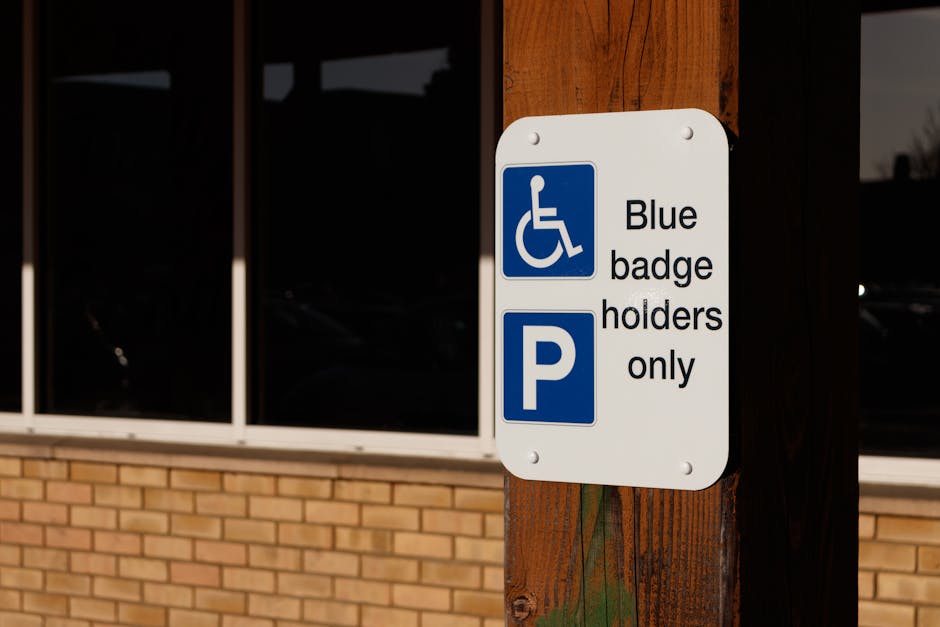
Hackney Council parking permits for removals what to know
If you are moving house, flat, or office in Hackney, parking can become the thing that throws the whole day off. Not the sofa. Not the boxes. Parking. A van that can't stop near the entrance, a permit that wasn't sorted, and suddenly you're carrying drawers down the street in the rain. This guide to Hackney Council parking permits for removals what to know explains the process in plain English, what usually matters most on moving day, and how to avoid the easy-to-miss mistakes that create stress for no good reason.
You will find practical steps, a comparison of common options, a checklist, and a realistic example of how removals often play out in London streets. Where council rules can change or vary by bay, time, and street, the safest approach is to plan early and double-check the current requirements before the day arrives. That's the unglamorous bit, but it saves a lot of grief.
Expert summary: For removals in Hackney, the big wins are simple: identify where the vehicle will stop, check what parking restriction applies, allow time for permits or dispensations, and keep a backup plan if the space is occupied. A little planning goes a long way.
Table of Contents
- Why it matters
- How it works
- Key benefits and practical advantages
- Who this is for and when it makes sense
- Step-by-step guidance
- Expert tips for better results
- Common mistakes to avoid
- Tools, resources and recommendations
- Law, compliance, standards and best practice
- Options, methods and comparison table
- Case study or real-world example
- Practical checklist
- Conclusion
- Frequently asked questions
Why Hackney Council parking permits for removals what to know Matters
Removals are hard enough without adding parking chaos. In Hackney, streets can be tight, bays can be busy, and restrictions can catch you out at the exact wrong moment. If your vehicle stops where it shouldn't, you risk delay, extra carrying distance, neighbour complaints, or a penalty. None of that helps when you're already trying to keep the kettle, the kids, and the key documents in roughly the same universe.
Parking access matters for three very practical reasons. First, it affects how close the van can get to the property, which directly affects loading time and labour. Second, it helps protect the moving team from unnecessary strain and repeated trips. Third, it reduces the chance of the move overrunning. A removal that looks simple on paper can become a long day if the vehicle ends up half a street away.
There's also a goodwill angle. If you live on a shared street with limited space, keeping the moving vehicle legal and reasonably well-positioned helps avoid friction with neighbours. That matters more than people think. You can have everything packed perfectly and still create a mess if the van blocks a junction or sits in a resident-only bay without permission.
To be fair, most people only think about parking when they can see the van outside the window. By then it is often too late to fix the problem calmly. That's why it pays to sort the parking question before you book the lift, the boxes, or the removal crew.
If you're also planning storage as part of the move, services like removals and storage or self storage can make the logistics a lot smoother, especially if keys, completion times, and parking windows don't line up neatly.
How Hackney Council parking permits for removals what to know Works
The exact arrangement depends on the street, the type of bay, and the timing. In practice, removals usually need one of three things: legal use of an existing loading area, a parking permit or dispensation, or an alternative plan if stopping directly outside is not possible. The key is to identify which one applies before moving day.
Most people start by checking the street outside both the old and new addresses. Look for resident bays, pay-and-display bays, single yellow lines, double yellow lines, loading restrictions, CPZ hours, and any suspended bays. It sounds boring. It is boring. But it is also the bit that prevents a very long carry from van to front door.
Sometimes a removal vehicle can use a loading or waiting allowance for a short period, but that is not something to assume. Borough rules and street signs matter more than guesswork. If you are unsure, the safer move is to speak with the relevant council service early and ask what applies to your specific address and date. Rules can depend on the exact road, not just the postcode.
In a real-world removal, this usually means one of the following:
- the van parks in a legal bay close to the property during allowed hours
- a temporary arrangement is made for the loading period
- the crew uses a man-and-van setup with more flexible stopping options
- the removal is timed for a less restricted period, if available
That last point is important. Timing can be a quiet superpower. A 10-minute difference in arrival can make the difference between an easy lift and a parking headache. Early mornings often feel calmer on London streets, though of course that depends on school runs, deliveries, and the odd van that seems to have parked there since 2009.
If you need help planning the move itself, it can be useful to look at local removals or man and van options, especially when access is awkward or parking space is limited.
Key Benefits and Practical Advantages
Done properly, parking planning does more than avoid a ticket. It makes the whole move feel less frantic. That sounds simple, but on moving day simple is gold.
Here are the main benefits:
- Closer access to the entrance means fewer trips and less lifting.
- Faster loading and unloading reduces the chance of running late.
- Less physical strain helps protect you and the removal team.
- Lower stress because no one is improvising in the road with a wardrobe.
- Better coordination if keys, lift access, or cleaning windows are also part of the day.
There is also a commercial angle if you are comparing moving services. A properly organised removal with the right parking access often looks more expensive at first glance, but the true value shows up in time saved, fewer complications, and less risk of damage from long carries. In practical terms, a van parked 20 metres away is a very different job from a van parked 100 metres away. Very different.
If you are downsizing, waiting for completion, or between properties, it may also be worth considering short term storage or household storage so the removal day does not have to solve every problem at once.
Who This Is For and When It Makes Sense
This topic matters to anyone moving items in or out of a Hackney property where curbside access is not straightforward. That includes homeowners, tenants, landlords, students, office managers, and anyone using a removals team or a van driver who needs to stop close to the building.
It tends to matter most in these situations:
- you live on a busy residential street with limited parking
- your building sits in a permit zone or controlled parking area
- you are moving a flat with a narrow staircase or no direct driveway
- your move is happening on a weekday with busier road traffic
- you have bulky furniture that cannot be carried far safely
- you are coordinating a same-day exit and entry with little slack
It is also worth paying attention if your move involves office equipment, confidential files, or fragile stock. A business move has its own pressure. The last thing you want is a van circling the block while staff stand around with monitors and boxes. If that sounds familiar, pages like office removals and business storage may be useful alongside your parking plan.
One quick rule of thumb: if you cannot confidently answer "where will the vehicle stop?" then you are not ready for moving day yet. Harsh, but fair.
Step-by-Step Guidance
Here is a practical way to handle Hackney parking for a removal without making it more complicated than it needs to be.
- Check both addresses. Look at the street layout, kerb space, and parking signs for the old and new property.
- Identify the restriction type. Note resident bays, loading bays, yellow lines, and any suspension notices.
- Measure the access reality. Sometimes a van can legally stop nearby, but the walking route is still awkward. Lifts, gates, and narrow pavements matter too.
- Speak to the council or relevant parking service early. Don't leave this until the week of the move if you can avoid it.
- Book the right type of removal support. If the street is tight, consider a smaller vehicle or a team used to tricky access.
- Build in a buffer. Give yourself extra time for parking, not just travel time.
- Prepare the property. Keep doors open where possible, label items clearly, and protect the route from scuffs and knocks.
- Have a fallback plan. If the exact spot is taken, decide in advance what the crew should do next.
A little organisation here can save a lot later. A tidy hallway, clear lift, and pre-packed essentials box make the parking issue feel smaller. Amazing how often people forget the basics, then remember them at 7:45 in the morning with a sofa in the rain.
For fragile items, awkward furniture, or a move that needs packing support, packing services can reduce delays and help the loading sequence run more smoothly.
Expert Tips for Better Results
In our experience, the people who have the easiest removals are not always the ones with the biggest budget. They are usually the ones who plan access properly and keep communication clear.
Practical tips that really help:
- take photos of the parking signs near both properties the day before
- check whether roadworks, skips, or bin collections could block your planned stop
- tell the removal crew about steps, low arches, or tight turns before they arrive
- leave a contact number visible for anyone managing the vehicle on the day
- keep essential items separate so you do not slow the unloading process
- if you're moving a flat, ask whether the lift or stairwell will affect timing more than the road access
One small but useful habit: walk the route from the van stop to the front door with your eyes half-closed, as if you're carrying a heavy box. You'll suddenly notice the uneven pavement slab, the low branch, or the awkward gate that looked harmless five minutes earlier.
If you are moving a smaller load, a small removals service may be more practical than a larger vehicle if the street is cramped. Similarly, if you are moving from a top-floor flat with limited space outside, flat removals often better matches the reality on the ground.
Common Mistakes to Avoid
Most removals parking problems come from a few predictable mistakes. The good news? They're easy to avoid once you know them.
- Leaving permit checks until the last minute. This is the big one.
- Assuming loading is allowed anywhere for a few minutes. Signs matter more than assumptions.
- Forgetting the new address. People often check the old property carefully and ignore the destination.
- Booking a van that is too large. Bigger is not always better on a tight Hackney street.
- Not considering timing. Rush hour, school runs, and market-day traffic can all complicate access.
- Failing to tell the movers about parking restrictions. If they arrive with the wrong vehicle size, everyone loses time.
- Not preparing a backup stop. One occupied bay can throw off the whole plan if there is no alternative.
Let's face it, moving day has enough drama already. You do not need a parking subplot.
For long-distance or delayed handovers, it can also be smart to keep furniture out of the way with furniture storage or use removals and storage if timing is uncertain.
Tools, Resources and Recommendations
You do not need a box of fancy tools to get this right. You do need a few simple habits and a clear record of what you have checked.
Useful practical resources include:
- your property's tenancy, sale, or building access notes
- recent photos of the street signs and nearest bays
- a written moving-day timetable
- contact details for the removals team, building manager, and key holder
- a simple note listing what is going in the van first
If you are moving documents, work records, or sensitive paperwork, keep them separate from general boxes. In that case, document storage can be a practical safety net if the move gets delayed. For office setups, office storage may also help you avoid rushed decisions about furniture and stock.
For anyone comparing moving support, the most useful recommendation is usually the boring one: choose a team that asks good questions about access, parking, and timing before quoting. The best movers sound almost nosy. That's often a good sign.
Law, Compliance, Standards and Best Practice
Parking for removals sits at the intersection of road rules, local parking controls, and practical moving safety. While the exact permit or dispensation process can vary by location, the safest approach is to treat parking signs and local restrictions as binding unless you have clear permission to do otherwise.
Best practice in the UK removals industry usually means:
- checking street restrictions before the move
- making sure the vehicle is legally positioned
- not blocking access for emergency vehicles, residents, or pedestrians
- keeping the loading area as tidy and short-lived as possible
- reducing manual handling risk through sensible vehicle placement
That last point is easy to overlook. The closer the vehicle, the less carrying is needed, which lowers strain and helps protect fragile items. It also fits well with general health and safety expectations. If a company has clear procedures around this, that is a positive sign. You can also review a provider's stated approach to health and safety policy and insurance and safety to understand how seriously they treat the move.
Another sensible best practice is transparency. If a permit is required, or if parking may be tight, say so early. No one likes surprises once the truck is already idling outside and someone is waving from the upstairs window.
Options, Methods and Comparison Table
There is more than one way to handle removals parking in Hackney. The best option depends on the street, the size of the move, and how much flexibility you have on the day.
| Option | Best for | Pros | Watch out for |
|---|---|---|---|
| Use an existing legal bay | Streets with nearby available parking | Simple, low friction, no special arrangement needed | Bays may already be occupied; timing can be tight |
| Temporary permit or dispensation | Moves where a direct stop is needed | Closer access, fewer carries, better efficiency | Must be arranged in advance; rules can vary |
| Smaller vehicle | Narrow streets or limited stopping space | Easier manoeuvring, less stress on busy roads | May require more trips or careful load planning |
| Split load with storage | Moves with timing gaps or completion delays | Reduces pressure on the day, more flexibility | Extra coordination required, and items need to be organised well |
For many local moves, a smaller vehicle or a flexible service can be the difference between a smooth load and one that blocks the footway. On the other hand, if you are moving a full family home, size and timing become more important than convenience alone. There is no one-size-fits-all answer. Annoying, yes. True, also yes.
Case Study or Real-World Example
Imagine a two-bedroom flat move from a Hackney side street on a weekday morning. The property is on an upper floor, the hallway is narrow, and the nearest parking is controlled. The occupants assume the van can stop "just for a few minutes" outside the building.
Then the actual day arrives. A car is already in the nearest bay. The van ends up around the corner. Boxes still come out, of course, but every trip takes longer. The crew has to pause for pedestrians, navigate a gate, and carry a wardrobe section farther than anyone wanted. The move still gets done, but it feels twice as long and a bit more tense than needed.
Now compare that with a better-prepared version. The residents checked the street in advance, flagged the access issue, booked a smaller vehicle, and packed the essential items separately. The loading spot was planned, the crew knew where to stop, and the key handover timing had a buffer. Not perfect, because moving never is. But far calmer. The difference is rarely magic. It is usually planning.
If the move includes a gap between leaving one home and entering another, short term storage can take a lot of pressure off. For students, the same logic applies even more strongly, which is why student storage can be a surprisingly sensible backup.
Practical Checklist
Use this before moving day. Print it, screenshot it, scribble on the back of a bill. Whatever works.
- Checked parking restrictions at both addresses
- Confirmed where the removal vehicle can legally stop
- Noted any bay suspensions, loading limits, or yellow line restrictions
- Checked access for stairs, lifts, gates, and narrow hallways
- Told the removals team about the street layout
- Built in extra time for parking and loading
- Prepared a backup plan if the nearest space is taken
- Separated essentials, documents, and valuables
- Protected floors, walls, and door frames where needed
- Confirmed whether storage might help if timing slips
If you are moving a business, add a few more items: confirm the IT handover, label confidential files, and make sure someone is available to supervise. For work moves with ongoing operations, business storage can keep the office from feeling like a half-finished project.
Conclusion
Hackney Council parking permits for removals what to know comes down to one practical truth: the move itself is only part of the job. Parking, access, and timing decide whether the day feels controlled or chaotic. If you check the street, understand the restrictions, and plan for a legal stopping point, you give yourself a much better chance of a smooth, low-stress removal.
It does not need to be complicated. Just careful. A little bit of effort before the van arrives can save hours later, and frankly that is a trade worth making every time.
If your move is complex, awkward, or split across dates, a removal plan that includes storage and packing support can make the whole process feel far more manageable. You do not have to solve everything in one go.
Get a free quote today and see how much you can save.
And if all you manage today is getting the parking right, that is already a very solid start.
Frequently Asked Questions
Do I always need a parking permit for removals in Hackney?
Not always. It depends on where the van will stop, what restriction is on the street, and whether the loading can be done legally within the available rules. Some streets may allow a legal stop without a special permit, while others may need a temporary arrangement or a different plan. The safest approach is to check the exact location rather than assume.
How far in advance should I sort out removals parking?
As early as you can. A few days might be enough in some cases, but giving yourself more time is better, especially if the street is heavily restricted or the move date is fixed. Early planning also gives you space to change the vehicle size or loading plan if needed.
Can a removals van stop on double yellow lines in Hackney?
Do not assume so. Double yellow lines are restricted, and whether any loading or stopping is allowed depends on the specific sign, timing, and local rules. Always check the exact street signage and confirm the correct permission before relying on that spot.
What happens if the nearest parking space is already taken?
That is where a backup plan matters. The crew may need to use an alternative legal bay, a different loading point, or a smaller vehicle. Without a fallback, the move can stall while everyone tries to improvise. That is usually when stress spikes.
Is a smaller van better for Hackney streets?
Often, yes, especially on narrow residential roads or where parking is tight. A smaller van can be easier to place legally and manoeuvre safely. The trade-off is that it may need more careful load planning or more trips, so it is not automatically better for every move.
Do I need parking arrangements for both the old and new address?
Yes, ideally. People sometimes focus on the old property and forget that the destination can be just as awkward. If either end has restricted access, the whole move can slow down. Checking both addresses keeps the day balanced, which is what you want.
Can storage help if parking or completion timing is messy?
Absolutely. If there is a gap between moving out and moving in, or if the parking window is too tight for a full unload, storage can take the pressure off. Services such as removals and storage, short term storage, or household storage can be useful when the schedule does not line up neatly.
What should I tell the removals company about parking?
Tell them the street name, the type of restriction, the nearest legal stop, whether there are steps or a lift, and whether you expect any loading difficulty. If you have photos of the signs or bay markings, even better. Good information helps them plan the right vehicle and timing.
Are office moves treated differently from home removals?
The parking issues are similar, but office moves often involve more coordination, heavier equipment, and a tighter timetable. That means parking access becomes even more important. Clear access planning and a sensible loading order are usually essential.
What is the most common mistake people make with removals parking?
Leaving it too late. It sounds obvious, but it happens all the time. People assume the van will "just find somewhere," and on a busy Hackney street that can turn into a long, awkward day. Early checks and a backup plan are much safer.
Can packing services make parking and loading easier?
Yes. Better packing means fewer last-minute boxes, more organised loading, and less time spent standing around with items while the van is being positioned. It is a small thing that often makes the whole move feel calmer.
What if I am only moving a few items?
Then a small removals service or man and van setup may be enough, and it can be easier to manage on a tight street. Even then, parking still matters. A light move can become slow if the vehicle cannot stop anywhere practical.